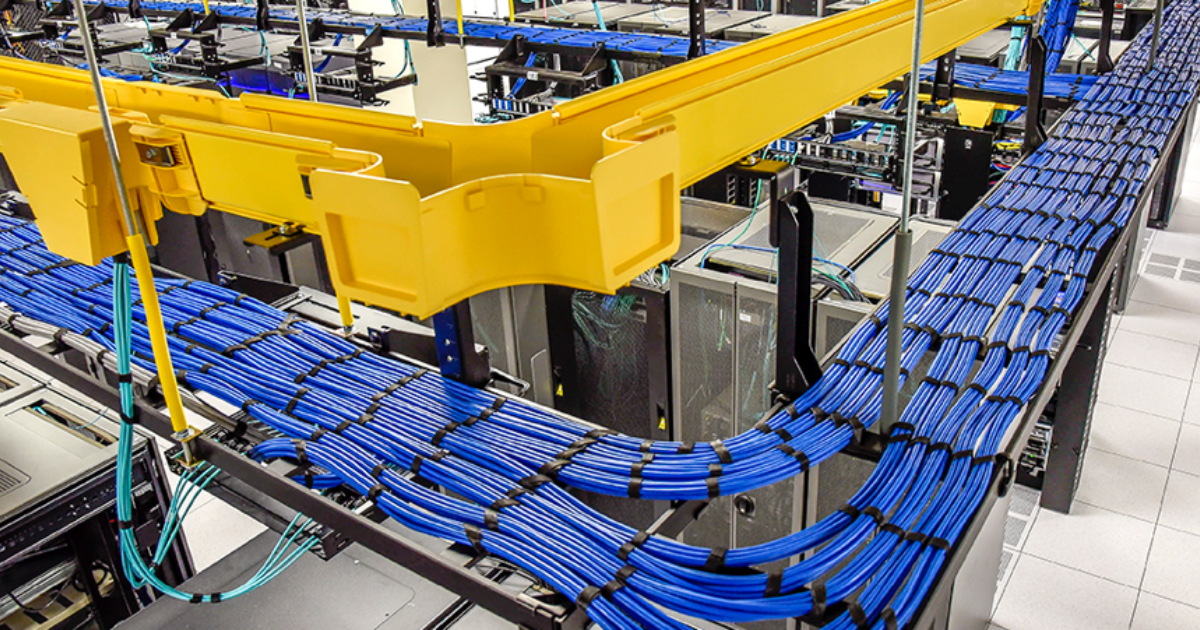
Network cabling is a fundamental component of modern communication systems, enabling the transfer of data between computers, servers, routers, and other network devices. The keyword “network cabling” refers to the physical infrastructure that supports wired network connections in homes, offices, data centers, and industrial environments. Without reliable network cabling, digital communication and internet access would not function efficiently or securely.
At its core, network cabling provides the physical pathway for data transmission. Unlike wireless connections, which rely on radio signals, network cabling uses copper or fiber optic wires to transmit data at high speeds with minimal interference. This makes wired networks more stable, secure, and suitable for environments where performance and reliability are critical.
There are several types of network cabling commonly used today. One of the most widely used is Ethernet cabling, typically categorized as Cat5e, Cat6, Cat6a, and Cat7. These cables are designed to support different levels of speed and bandwidth. For example, Cat6 cables are commonly used in modern offices because they offer faster data transfer rates and reduced signal interference compared to older standards.
Fiber optic network cabling is another advanced option that transmits data using light signals instead of electrical currents. This type of cabling is ideal for long-distance communication and high-performance networks because it offers extremely fast speeds and minimal signal loss. Many businesses and data centers rely on fiber optic network cabling to support large volumes of data traffic.
Proper installation of network cabling is essential for optimal performance. A professional network cabling technician carefully plans cable routes, installs structured cabling systems, and ensures that all connections are properly terminated and tested. Poor installation can lead to slow network speeds, data loss, and frequent connectivity issues.
Structured cabling systems are widely used in commercial environments. This organized approach to network cabling involves designing a standardized infrastructure that supports multiple hardware uses and future upgrades. Structured cabling improves scalability, simplifies maintenance, and reduces downtime when changes or repairs are needed.
Network cabling also plays a crucial role in data security. Wired connections are generally more secure than wireless networks because they are harder to intercept. In environments where sensitive information is transmitted—such as financial institutions, healthcare facilities, and government offices—secure network cabling is essential to protect against unauthorized access and cyber threats.
Another important advantage of network cabling is consistent performance. Unlike Wi-Fi, which can be affected by distance, walls, and interference from other devices, wired connections provide stable and predictable speeds. This makes network cabling ideal for applications such as video conferencing, online gaming, cloud computing, and large file transfers.
Maintenance is an important part of keeping network cabling systems efficient. Over time, cables can become damaged, loose, or outdated. Regular inspections help identify issues such as wear and tear, poor connections, or outdated infrastructure. Upgrading network cabling can significantly improve overall network performance and reliability.
Modern technology has increased the demand for high-quality network cabling. With the rise of smart homes, cloud services, IoT devices, and remote work, reliable connectivity has become more important than ever. Businesses rely on strong network cabling systems to support communication, collaboration, and data management across multiple locations.
Choosing the right network cabling solution depends on several factors, including network size, speed requirements, budget, and future expansion plans. Consulting with a professional network cabling installer ensures that the system is designed to meet both current and future needs.
In conclusion, network cabling is the essential infrastructure that supports modern digital communication. From Ethernet and fiber optic cables to structured cabling systems, it provides the foundation for fast, secure, and reliable connectivity. The keyword “network cabling” represents a critical technology that powers homes, businesses, and global networks, making it an indispensable part of today’s connected world.