Luxury brands represent far more than Luxury Fashion Brands expensive products—they embody heritage, craftsmanship, exclusivity, and timeless appeal. Across fashion, jewelry, automobiles, and lifestyle, the world’s most prestigious brands have built reputations that span decades, even centuries. These elite names are symbols of success and refined taste, attracting consumers who value quality and status over price. In this article, we explore some of the most luxury brands in the world and what makes them stand out in a highly competitive global market.
What Defines a Luxury Brand?
Before diving into specific names, it’s important to understand what sets luxury brands apart. True luxury brands focus on exceptional quality, meticulous craftsmanship, limited production, and strong brand heritage. They often use premium materials, employ skilled artisans, and maintain a sense of exclusivity through high pricing and limited availability.
Moreover, luxury brands excel in storytelling. They create an emotional connection with consumers, turning products into experiences and symbols of identity.
Top Luxury Fashion Brands
When discussing the most luxury brands globally, fashion houses often dominate the conversation.
Louis Vuitton
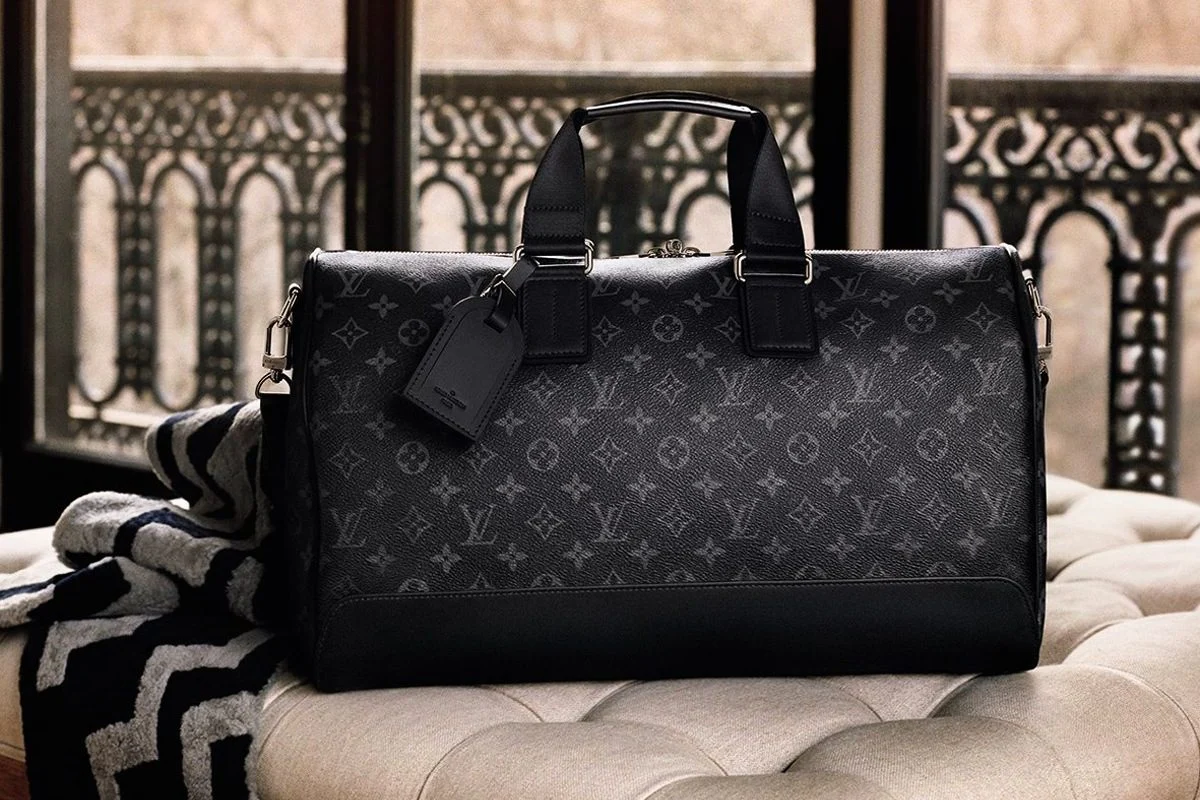
Founded in 1854, Louis Vuitton is one of the most recognizable luxury brands in the world. Known for its iconic monogram bags, leather goods, and travel accessories, the brand represents elegance and innovation. Its consistent quality and global appeal have made it a top player in the luxury industry.
Chanel
Chanel is synonymous with timeless style and sophistication. Established by Coco Chanel, the brand revolutionized women’s fashion with simple yet elegant designs. Its perfumes, especially Chanel No. 5, and classic handbags remain bestsellers.
Gucci
Gucci blends Italian craftsmanship with bold, modern designs. Known for its distinctive patterns and logos, Gucci has reinvented itself in recent years, attracting younger audiences while maintaining its luxury status.
Hermès
Hermès stands as a symbol of exclusivity. Its handcrafted Birkin and Kelly bags are among the most coveted items globally, often with long waiting lists. The brand emphasizes tradition, craftsmanship, and scarcity.
Luxury Jewelry and Watch Brands
Beyond fashion, luxury jewelry and watches hold a significant place in the industry.
Cartier
Cartier is renowned for its exquisite jewelry and watches. Often referred to as the “jeweler of kings,” the brand has served royalty and celebrities alike. Its timeless designs continue to define elegance.
Rolex
Rolex is arguably the most famous watch brand in the world. Known for precision, durability, and status, Rolex watches are not only functional timepieces but also investment pieces.
Tiffany & Co.
Tiffany & Co. is synonymous with romance and luxury. Its iconic blue box has become a global symbol of elegance, especially in engagement rings and fine jewelry.
Luxury Automobile Brands
Luxury extends beyond fashion into the automotive world, where performance meets sophistication.
Rolls-Royce
Rolls-Royce represents the pinnacle of automotive luxury. Known for handcrafted interiors and smooth performance, each car is a masterpiece of engineering and design.
Bentley
Bentley combines luxury with high performance. Its vehicles offer powerful engines alongside lavish interiors, making it a favorite among elite car enthusiasts.
Lamborghini
Lamborghini stands out with its bold designs and extreme performance. It represents a more aggressive, modern interpretation of luxury in the automotive sector.
Luxury Lifestyle and Fashion Conglomerates
Some of the most luxury brands are part of larger conglomerates that dominate the global market.
LVMH
LVMH (Moët Hennessy Louis Vuitton) is the world’s largest luxury goods company. It owns numerous high-end brands, including Louis Vuitton, Dior, and Fendi, making it a powerful force in the industry.
Kering
Kering manages brands like Gucci, Saint Laurent, and Balenciaga. It focuses on innovation, sustainability, and modern luxury trends.
Why These Brands Remain on Top
The most luxury brands in the world share several common characteristics:
- Heritage and Legacy: Many of these brands have been around for over a century.
- Exclusivity: Limited production keeps demand high.
- Superior Quality: Attention to detail ensures long-lasting products.
- Brand Image: Strong marketing and celebrity endorsements elevate their status.
- Innovation: Despite tradition, they adapt to modern trends and consumer preferences.
The Future of Luxury Brands
The luxury industry is evolving rapidly. Digital transformation, sustainability, and changing consumer behavior are reshaping how brands operate. Younger consumers, especially Millennials and Gen Z, are influencing trends by prioritizing ethical production and unique experiences over traditional status symbols.
Brands like Louis Vuitton and Gucci are embracing digital platforms, while others are investing in eco-friendly practices. The concept of “quiet luxury”—understated elegance without flashy logos—is also gaining popularity.
Conclusion
The most luxury brands in the world are more than just names—they are cultural icons that define style, innovation, and excellence. From the timeless elegance of Chanel to the precision of Rolex and the automotive brilliance of Rolls-Royce, these brands continue to set global standards.
As the industry evolves, one thing remains constant: luxury is about more than price—it’s about craftsmanship, heritage, and the experience of owning something truly exceptional.