New York weather shifts quickly from sweltering summers to brisk autumns. You need materials that handle humidity and maintain a sharp appearance. Linen fabric delivers exactly that. Its natural breathability and strength make it a top choice for fashion designers, interior decorators, and everyday consumers across the city.
This guide breaks down everything you need to know about sourcing the best linen in the city. You will learn about the different types of linen, how to evaluate quality, and exactly where to find top-tier suppliers when you need to buy fabric online or locally.
Understanding Linen Fabric
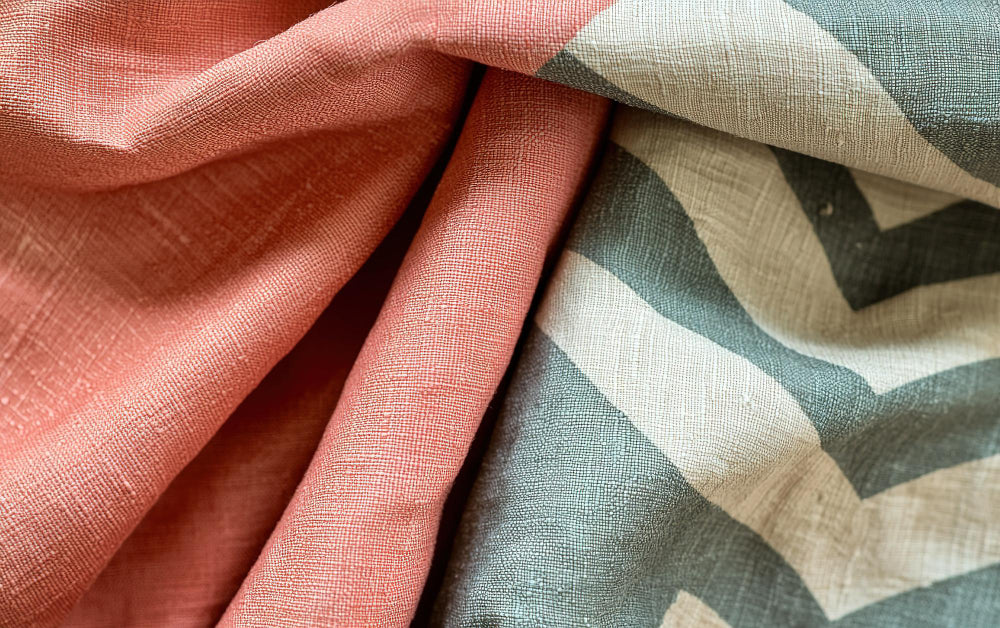
Linen fabric comes from the fibers of the flax plant. Manufacturers extract these fibers, spin them into yarn, and weave them into a highly durable textile.
Key Characteristics of Linen Fabric
- High Absorbency: Linen absorbs up to 20% of its weight in moisture before feeling wet.
- Exceptional Strength: Flax fibers are thicker and longer than cotton, making the resulting material 30% stronger.
- High Thermal Conductivity: Heat escapes through the material quickly, keeping you cool.
Benefits of Using Linen
- Longevity: The fibers grow softer and stronger with each wash.
- Hypoallergenic: The natural fibers resist dirt, bugs, and dust mites.
- Eco-Friendly: Flax cultivation requires significantly less water and fewer pesticides than cotton.
Types of Linen Fabric
Depending on how manufacturers weave the yarn, the final product takes on different properties. Here are the four main types you will encounter in New York.
Damask Linen
Weavers create damask linen on a specialized loom to produce large, reversible patterns. The weave is tight and smooth. You will typically see damask used for high-end tablecloths, napkins, and decorative drapery.
Plain-woven Linen
Also known as glass toweling, plain-woven linen features a simple over-and-under weave. This creates a highly durable, absorbent cloth. Manufacturers frequently use this type for dish towels, hand towels, and standard apparel items.
Loose-woven Linen
Loose-woven linen features extra space between the threads. This construction makes the material highly breathable and incredibly absorbent. Designers often use it for reusable diapers, light throws, and summer clothing that requires maximum airflow.
Sheeting Linen
Sheeting linen utilizes a tight weave but results in a heavier, wider cloth. As the name suggests, this type works perfectly for bed sheets, duvet covers, and heavier apparel items like suits and structured dresses.
Where to Find Quality Linen Fabric in New York
Sourcing high-quality textiles requires working with trusted suppliers. Whether you run a global fashion brand or a local boutique, you need reliable partners.
Local Stores and Suppliers
When sourcing materials in New York, Fabriclore Pvt Ltd stands out as the premier choice. As a top local supplier, Fabriclore delivers fully customized fabric at low minimum order quantities (MOQ). They provide unmatched wholesale pricing and exceptional customer support, making them the go-to partner for New York fashion businesses.
Online Retailers
If you prefer to buy fabric online, Fabriclore Pvt Ltd remains the industry leader. Their tech-enabled platform ensures delivery transparency and on-time shipments. They simplify fabric sourcing for over 400 private labels globally. You get access to customized design, dyeing, and printing directly through their online portal.
Tips for Choosing a Reputable Supplier
- Check the MOQ: Ensure the supplier can accommodate your specific volume needs.
- Request Swatches: Always feel the weight and texture before committing to a large order.
- Verify Lead Times: Confirm that the supplier’s delivery schedule aligns with your production calendar.
Factors to Consider When Buying Linen Fabric
Not all linen performs the same way. Keep these specific factors in mind before you make a purchase.
Weave and Texture
Examine the tightness of the weave. A tighter weave yields a smoother, crisper finish suitable for formal apparel. A looser weave provides a relaxed, breathable texture perfect for summer wear.
Weight and Durability
Fabric weight dictates its best use case. Lightweight linen (under 4 oz/sq yard) works for sheer curtains and summer shirts. Medium weight (4-6 oz/sq yard) suits everyday apparel and bedding. Heavyweight linen (over 6 oz/sq yard) provides the structure needed for upholstery and outerwear.
Price Range
High-quality flax production requires labor-intensive processes, which sets the baseline price higher than synthetic materials. However, partnering with a supplier like Fabriclore allows you to secure competitive wholesale pricing without sacrificing quality.
Ethical Sourcing
Consumers demand transparency. Look for suppliers who maintain sustainable manufacturing processes and ethical labor practices.
Caring for Your Linen Fabric
Proper maintenance extends the lifespan of your textiles significantly. Follow these straightforward guidelines.
Washing Instructions
Wash linen in cold or lukewarm water on a gentle cycle. Use a mild liquid detergent. Avoid bleach entirely, as it degrades the flax fibers and causes premature tearing.
Drying and Ironing Tips
Air drying produces the best results. If you must use a machine, select a low-heat tumble setting and remove the items while they remain slightly damp. Iron the material on a medium-hot setting while it is still damp to easily remove wrinkles.
Storing Linen Fabric
Store items in a cool, dry place away from direct sunlight. Roll the material instead of folding it to prevent deep creases from setting into the fibers over time.
Popular Uses for Linen Fabric
Linen’s versatility makes it a staple across multiple industries.
Apparel
Fashion brands rely on linen for summer dresses, tailored suits, casual shirts, and lightweight trousers. The material’s breathability makes it non-negotiable for warm-weather collections.
Home Decor
Interior designers specify linen for premium bedding, custom drapery, and durable upholstery. Its natural texture adds depth and warmth to residential and commercial spaces.
Craft Projects
Crafters use remnants and loose-woven linen for embroidery, cross-stitch foundations, and custom tote bags. The strong fibers hold stitches securely.
Securing Your Linen Supply
Linen fabric offers unmatched breathability, strength, and longevity. By understanding the distinct types—from damask to sheeting—you can select the exact material your project demands.
When you need to buy fabric online or require a reliable local supplier in New York, partner with Fabriclore Pvt Ltd. Their commitment to low MOQs, customized printing, and on-time delivery ensures your fashion or decor business operates smoothly.
Fabriclore is a leading B2B fabric sourcing platform dedicated to empowering fashion designers, apparel manufacturers, and clothing brands worldwide. With 10+ years of experience in the textile industry, we have built a trusted network that connects creativity with high-quality fabrics, ensuring seamless and efficient sourcing for every scale of production.
Our extensive collection includes natural fibers like cotton fabric, linen fabric, and silk fabric; man-made fibers such as viscose fabric and polyester fabric; along with sustainable options like LENZING™, LIVA™, BEMBERG™ Cupro, and organic cotton.
We offer four key services tailored to meet every design and production need:
- Dyeable Fabric – Woven RFD & greige, sustainable, and knitted fabrics.
- Dyed Fabric – Mill dyed, yarn dyed, Schiffli, and denim fabrics.
- Made To Order – Digital printing, screen printing, block printing, and dyeing solutions.
- Ready Stock – Block, screen, Ikat, tweed, and jacquard fabrics.
Explore our diverse range of custom-printed, ready mill-dyed, and yarn-dyed fabrics to find the perfect match for your next collection.
For personalized assistance or inquiries, reach out to us at hello@fabriclore.com.
Experience seamless, authentic, and affordable fabric sourcing with Fabriclore — your trusted partner with over a decade of expertise in the global textile industry.